

Introduction
Navigating the web hosting options can be overwhelming. With numerous choices available, it’s essential to select one that suits your needs perfectly. One solution that strikes a balance between performance and cost is VPS hosting. But what exactly makes it so advantageous? Let’s go through the details and discover why VPS hosting might be the perfect choice for your website.
What is VPS Hosting?
VPS (Virtual Private Server) hosting involves dividing a physical server into multiple virtual servers. Each virtual server operates independently, with its own operating system, resources, and dedicated environment. This setup combines the benefits of shared and dedicated hosting, offering a cost-effective solution with enhanced performance.
History of VPS Hosting
The concept of VPS hosting has evolved significantly over the years. Initially, web hosting was limited to shared and dedicated options. However, with advancements in virtualization technology, VPS hosting emerged as a middle-ground solution. This innovation allowed for better resource allocation and management, catering to the growing needs of businesses and developers.
Different Types of Web Hosting Explained
Understanding the different types of web hosting is crucial in making an informed decision. Shared hosting is like renting a single room in a large apartment; it’s cost-effective but comes with limited resources and less control. Dedicated hosting is akin to owning an entire house, offering full control but at a higher cost. VPS hosting sits in the middle, providing the privacy and control of a dedicated server at a more affordable price. Cloud hosting, on the other hand, distributes resources across multiple servers, ensuring high availability and scalability.
Enhanced Performance and Reliability
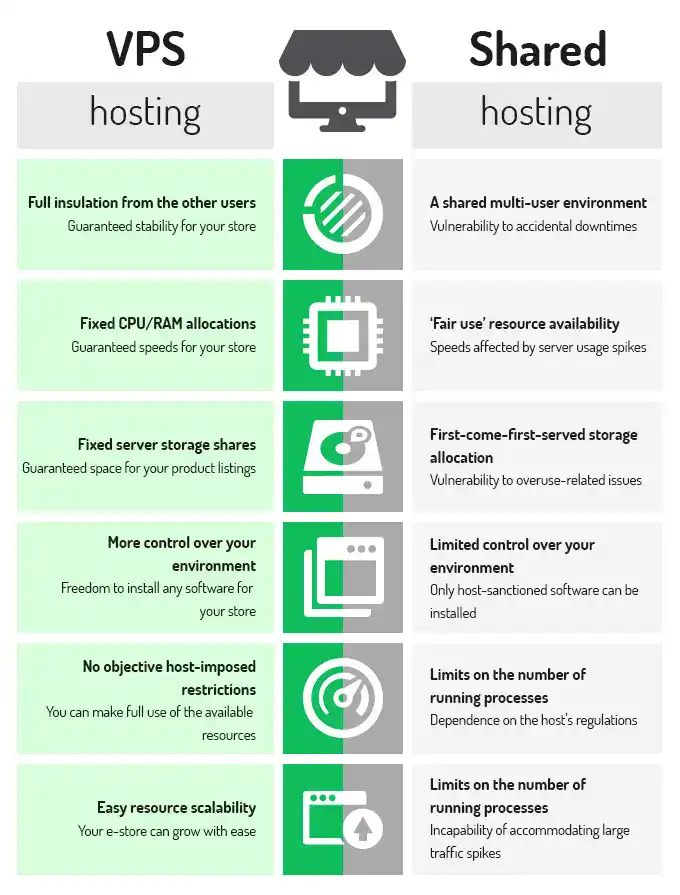
One of the standout benefits of VPS hosting is its enhanced performance. Unlike shared hosting, where resources are distributed among multiple websites, VPS hosting allocates dedicated resources to your site. This means you get consistent speed and reliability, which is crucial for maintaining a professional online presence.
Moreover, VPS hosting offers increased reliability and stability. Since your website operates in its own virtual environment, the performance of other sites on the same physical server does not affect you. This isolation reduces the risk of server overload and downtime, ensuring your site remains accessible and efficient.
Unlimited Web Hosting from only R825.00 annually, with free domain registration.
Unlimited web traffic, Pure NVMe, Enterprise Litespeed, 99.99% Uptime and more! Free .CO.ZA Domain name is included, for any newly registered .CO.ZA domain or on the transfer of any .CO.ZA domain.
Customization and Root Access
VPS hosting grants you root access to your server, allowing full control over the environment. This means you can install custom software, tweak settings, and optimize performance to suit your specific needs. For example, if you’re running a resource-intensive application or need specific server configurations, it provides the flexibility to customize your server extensively. Think of it like customizing a car; you have the freedom to modify and enhance it to match your exact requirements.
Scalability and Cost-Effectiveness
One of the most attractive features is its scalability. As your website grows and demands more resources, you can easily upgrade your VPS plan. This flexibility ensures that your hosting solution can expand with your business, preventing any disruption to your online services.
While it’s more expensive than shared hosting, it offers far better performance and resources. When compared to dedicated hosting, VPS is much more affordable while still providing many of the same benefits. This makes VPS hosting a value-for-money option for businesses of all sizes.
Security and Managed vs. Unmanaged VPS Hosting
Security is a top priority for any website owner. VPS hosting provides improved security through isolation from other users on the same server. Since each VPS operates independently, the risk of cross-contamination from malicious activities is significantly reduced. Additionally, you can implement custom security measures to further protect your data and applications. For instance, you can set up firewalls, install security patches, and configure your server to meet specific security needs.
Managed VPS Hosting
With managed VPS hosting, the hosting provider takes care of server management tasks such as updates, backups, and security. This option is ideal for those who prefer a hands-off approach and want to focus on their core business activities.
Unmanaged VPS Hosting
Unmanaged VPS hosting gives you full control over the server. You are responsible for all management tasks, which offers greater flexibility but requires more technical knowledge. This option is suitable for those who have the expertise to manage their server or want complete control over their hosting environment.
Ideal Use Cases for VPS Hosting
VPS hosting is suitable for a variety of scenarios. For small to medium-sized businesses, it offers a perfect blend of performance, reliability, and cost-effectiveness. As these businesses grow, they often require more resources than shared hosting can provide but aren’t ready to invest in a dedicated server. VPS hosting provides the scalability and customization needed to support growth and handle increased traffic.
E-commerce websites benefit significantly from VPS hosting. These sites often experience high traffic volumes and need to ensure secure transactions. VPS hosting offers dedicated resources to handle traffic spikes and robust security measures to protect customer data. This ensures a smooth shopping experience and builds trust with your customers.
For developers and programmers, VPS hosting provides an ideal environment for development, testing, and staging. The flexibility to install custom software and configure the server to specific needs makes it an excellent choice for creating and managing multiple projects.
Setting Up Your First VPS
Setting up a VPS for the first time can be an exciting experience. Begin by choosing a reliable hosting provider and selecting a VPS plan that meets your needs. After purchasing, you’ll receive access credentials. Use these to log in and start configuring your server. Common tools like cPanel or Plesk can simplify the management process, even for beginners.
Difference between a VPS and a VPN?
While VPS and VPN (Virtual Private Network) share some similarities in their abbreviations, they serve entirely different purposes. A VPS provides a virtual server environment for hosting websites, applications, or data, offering dedicated resources and control. On the other hand, a VPN secures your internet connection by encrypting data and masking your IP address, enhancing online privacy and security. If your goal is to host websites or applications, a VPS is the better choice. If you need to secure your internet activities, a VPN is the way to go. Essentially, comparing VPS to VPN is like comparing apples to oranges; each serves a unique and important function.
How Much Traffic Can a VPS Handle?
The amount of traffic a VPS can handle depends on various factors, including the VPS plan, server configuration, and optimization. Typically, a standard VPS can handle thousands of visitors per day, provided it has sufficient CPU, RAM, and bandwidth. For instance, a VPS with 2GB of RAM and 2 CPU cores can comfortably manage moderate traffic levels, such as 20,000-50,000 visitors per month. However, to handle higher traffic, upgrading to a more robust plan with more resources is advisable. Proper optimization, such as caching and load balancing, also plays a crucial role in maximizing your VPS’s capacity to handle traffic spikes without performance degradation.
Optimizing Your VPS for Performance
Once your VPS is set up, optimizing it for performance is crucial. Start by regularly updating your software to ensure you have the latest security patches and improvements. Utilize caching mechanisms, like Varnish or Redis, to speed up content delivery. Additionally, monitor your server’s performance and adjust resources as needed to maintain optimal speed and reliability.
Backing Up Data on a VPS
Regular backups are essential for any website. With VPS hosting, you have several options for backing up your data. You can use built-in tools provided by your hosting provider, or third-party software like Acronis or BackupBuddy. Schedule regular backups and store them in a secure location to safeguard against data loss.
Environmental Impact of VPS Hosting
The environmental impact of web hosting is an important consideration. VPS hosting is generally more energy-efficient than dedicated hosting, as it maximizes the use of resources on a single physical server. Opting for a green hosting provider that uses renewable energy can further reduce your carbon footprint and contribute to sustainability efforts.
Future Trends in VPS Hosting
The web hosting industry is constantly evolving. Future trends in VPS hosting include the integration of artificial intelligence for server management, increased use of SSD storage for faster performance, and enhanced security measures to combat rising cyber threats. Staying informed about these trends can help you make better hosting decisions.
Common Challenges and Solutions in VPS Hosting
Like any technology, VPS hosting comes with its own set of challenges. Common issues include managing server resources, ensuring data security, and maintaining uptime. Solutions involve regular monitoring, implementing strong security practices, and choosing a reliable hosting provider with a robust infrastructure.
Conclusion
Hearing from others who have switched to VPS hosting can be reassuring. Many users report significant improvements in website performance, security, and overall satisfaction. Testimonials often highlight the ease of scaling resources and the peace of mind that comes with managed VPS services.
Frequently Asked Questions
We are always happy to help, if you can’t find the information you are looking for please don’t hesitate to reach out to us!
From a trusted provider like AstriHost. Search for your preferred domain, register it, choose a hosting plan, and launch your site.
A domain name is your website’s address, while web hosting is the server space where your website files are stored. You need both to make your website live.
Yes. You can move from shared or cPanel hosting to managed WordPress hosting easily. AstriHost can assist with a smooth, zero-downtime migration.
Absolutely. It’s designed to simplify complex hosting tasks with a visual interface.
cPanel is a control panel used to manage hosting; WordPress hosting is a hosting environment optimized specifically for WordPress websites.
If uptime, speed, and support matter to your business, then yes, it’s a worthwhile upgrade.
Did you find this article informative? Share it with your friends!
