
Introducing DNS Security
DNS Security is essential in safeguarding your online identity and protecting sensitive information from cyber threats. In this concise and informative guide, we will delve into the world of DNS Security, exploring its significance in today’s digital landscape. From understanding DNSSEC and DNS firewalls to countering DNS-based attacks, we will equip you with the knowledge and tools necessary to fortify your online presence. Get ready to take control of your security and ensure a safer online experience.
What is DNS Security?
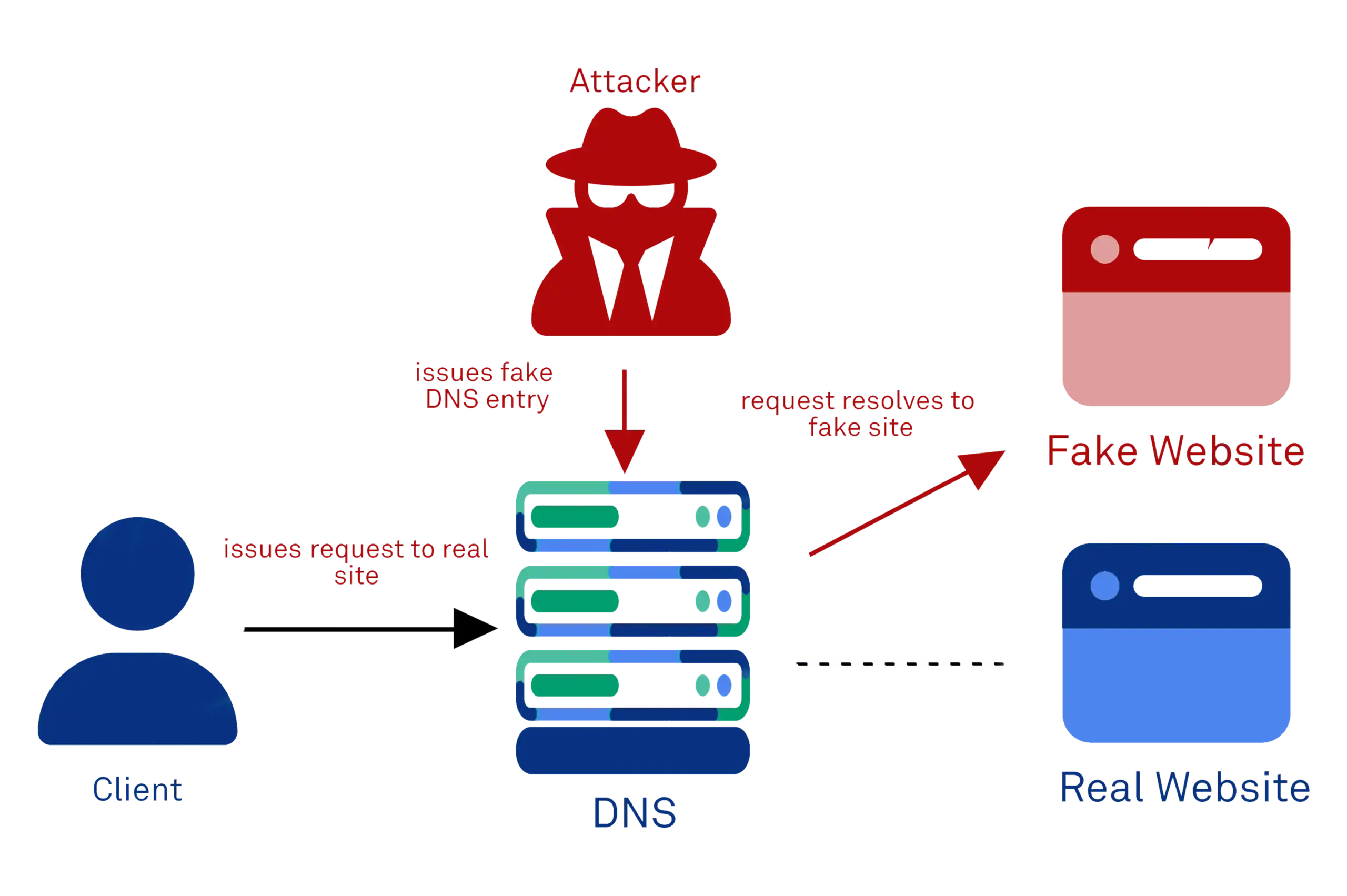
DNS, or the Domain Name System, is a fundamental component of the Internet infrastructure. It acts as a translator, converting user-friendly domain names into IP addresses that computers understand. DNS security, therefore, refers to the measures taken to protect the integrity, confidentiality, and availability of this critical system.
Importance of DNS Security
DNS security plays a vital role in maintaining the overall security posture of the internet. A compromised DNS can lead to various malicious activities, including phishing attacks, data breaches, and website defacements. By securing the DNS, we can mitigate these risks and ensure a safer online experience for everyone.
Common DNS Attacks
Now, let’s explore some common DNS attacks that individuals and organizations should be aware of:
| Common DNS Attacks | Order of Occurrence | As a % of Total Attacks |
|---|---|---|
| DNS Spoofing | 1st | 30% |
| DNS Hijacking | 2nd | 25% |
| NXDOMAIN Attack | 3rd | 15% |
| Phantom Domain Attack | 4th | 10% |
| Random Subdomain Attack | 5th | 8% |
| Domain Lock-Up Attack | 6th | 7% |
| Botnet-based CPE Attack | 7th | 5% |
| DNS Tunneling | 8th | 4% |
Protective Measures:
DNSSEC: Strengthening DNS Security
One powerful tool in the DNS security arsenal is DNSSEC, short for DNS Security Extensions. DNSSEC adds an extra layer of authentication to the DNS infrastructure by digitally signing DNS records. This cryptographic process verifies the authenticity and integrity of the DNS data, reducing the risk of DNS-based attacks, such as cache poisoning and man-in-the-middle attacks.
Other Ways of Protecting Against DNS-based Attacks
While DNSSEC is a robust solution, there are additional measures one can take to enhance DNS security. One such measure is the use of DNS firewalls. Similar to traditional firewalls, DNS firewalls act as gatekeepers, filtering DNS traffic and blocking requests to known malicious domains. By employing DNS firewalls, organizations can proactively prevent users from accessing potentially harmful websites and reduce the risk of falling victim to DNS attacks.
DNS as a Security Tool
In addition to being a potential target for attacks, DNS can also serve as a valuable security tool. By monitoring DNS queries and analysing the patterns and anomalies within them, security professionals can detect and respond to malicious activities in real-time. For example, detecting a sudden surge of DNS queries from a particular IP address might indicate a botnet-based CPE (Customer Premises Equipment) attack, allowing prompt mitigation measures to be taken.
Are DNS Queries Private?
One common misconception is that DNS queries are inherently private. In reality, without appropriate security measures, DNS queries can be intercepted and monitored by third parties. This lack of privacy opens the door for surveillance, data exfiltration, and other malicious activities. To address this concern, individuals and organizations can implement DNS over HTTPS (DoH) or DNS over TLS (DoT) protocols, which encrypt DNS traffic, making it significantly more difficult for eavesdroppers to access sensitive information.
To conclude, understanding and addressing common DNS attacks is crucial in maintaining a secure online environment. By recognizing the order of occurrence and the percentages of total attacks, we gain valuable insights into the threat landscape. It is evident that DNS spoofing and hijacking remain the most prevalent, emphasizing the need for robust security measures. As we navigate the evolving digital landscape, staying vigilant, implementing DNS security solutions, and keeping up with emerging threats will empower us to safeguard our online identities effectively. By prioritizing DNS security, we can fortify our defences and ensure a safer and more resilient online experience for all.
Interesting read
Frequently asked questions
Did you find this article informative? Share it with your friends!
